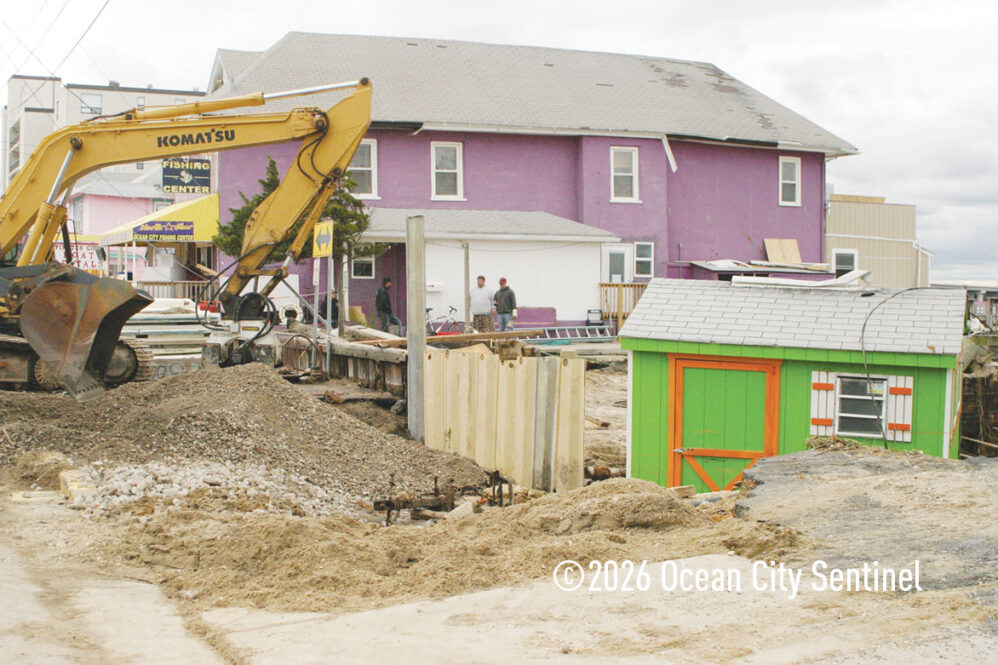
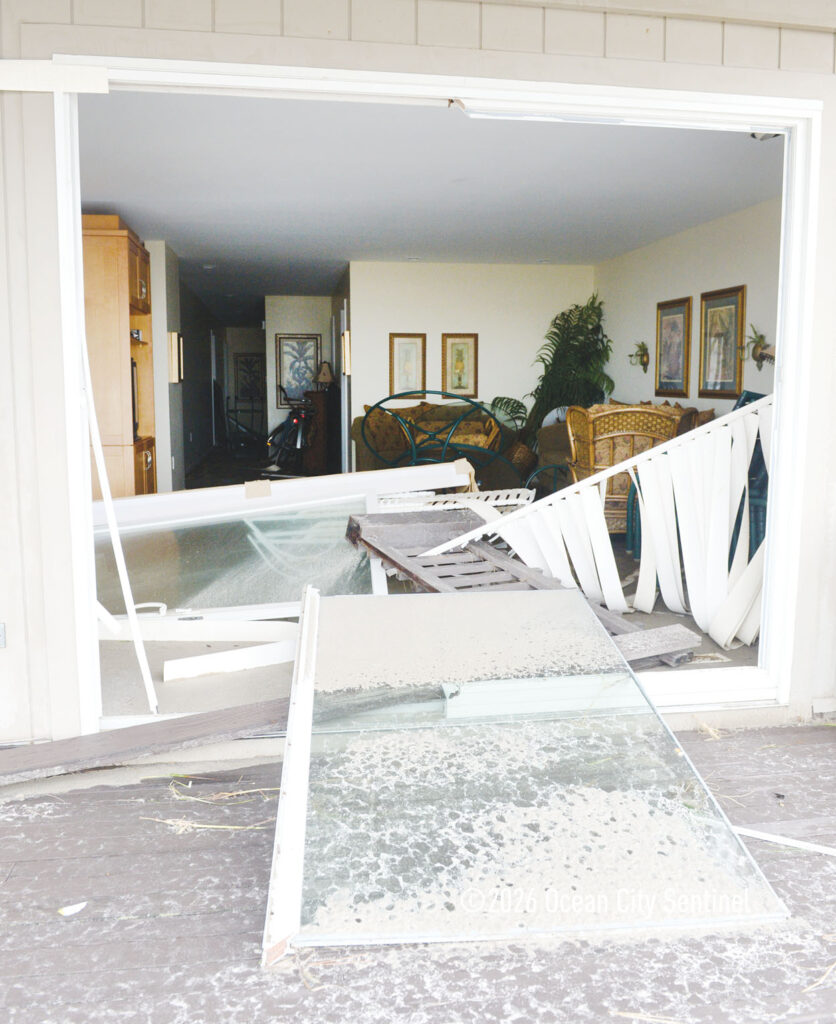
CAPE MAY COUNTY — Hurricane Sandy touched down just south of Atlantic City on Oct. 29, 2012, and ripped through the state, leaving a mess of flooding debris and destruction in its wake.
With record-breaking storm surges, it earned the moniker “superstorm” because of the multiple forces coming together.
The widespread destruction forced leaders of barrier island communities, along with state and federal officials, to take a hard look at resiliency measures along the coast.
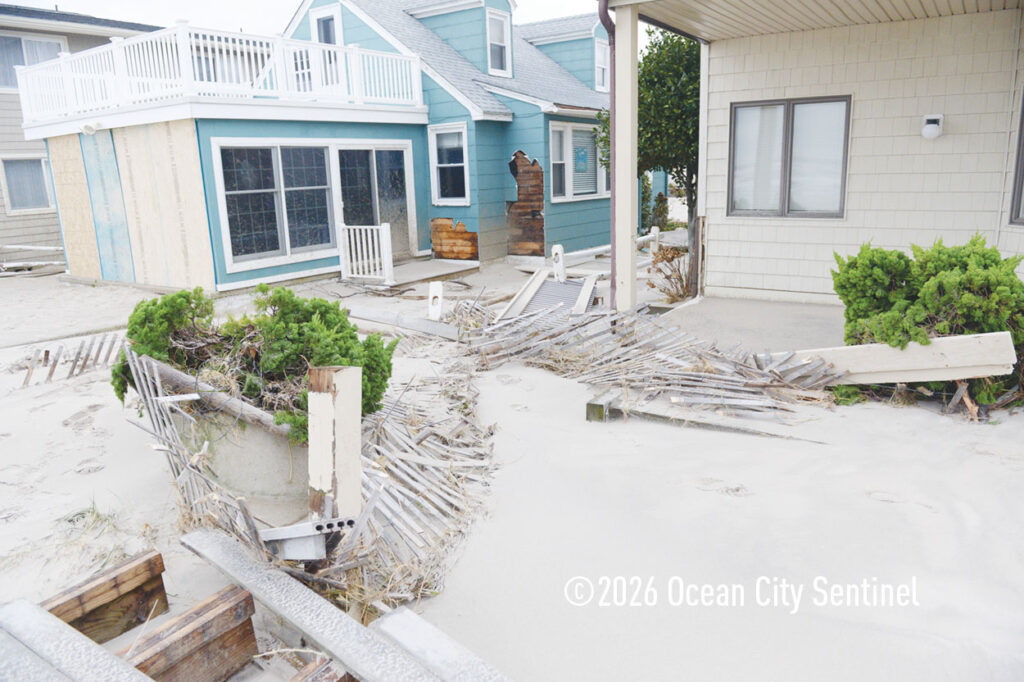
Sandy was one of the largest hurricanes to develop over the Atlantic Ocean, gaining part of its size from combining frontal systems with another storm in the Mid-Atlantic. The storm maintained its power after landfall, which is abnormal for hurricanes because they’re fueled by warm water.
Meteorologists looked at Sandy’s path before it hit New Jersey, and explained that following the Gulf Stream along the East Coast allowed the storm to gain strength until it made landfall.
Adding to the recipe for disaster, the moon was full that night, contributing about a foot to Sandy’s storm surge.
There aren’t many New Jerseyans who have forgotten about the days leading up to and following Sandy, especially with what the storm left behind.
The months and years following Sandy were filled with rebuilding and discussions about how to build New Jersey’s resilience to destructive weather.
Flood regulations
and infrastructure
Frank Donato, Ocean City’s Emergency Management coordinator, not only experienced Sandy’s destruction firsthand, but also played a pivotal role in disaster recovery in the following months.
“We helped clean up the town and sift through all the aftermath to help people recover,” he said. “That was made more complicated because FEMA was working on revising flood maps before the hurricane, and hadn’t finalized and put them out yet.”
Before Hurricane Sandy, the Federal Emergency Management Agency had been working to identify flood levels throughout New Jersey. During the post-storm chaos, FEMA released preliminary flood maps to highlight new high-risk areas and to administer new height regulations for houses.
“The heights were significantly higher than what we were going by before Sandy, and it caused a lot of angst in the building and construction communities,” Donato said. “There was a big need for our zoning officials to adhere to these new rules right away.”
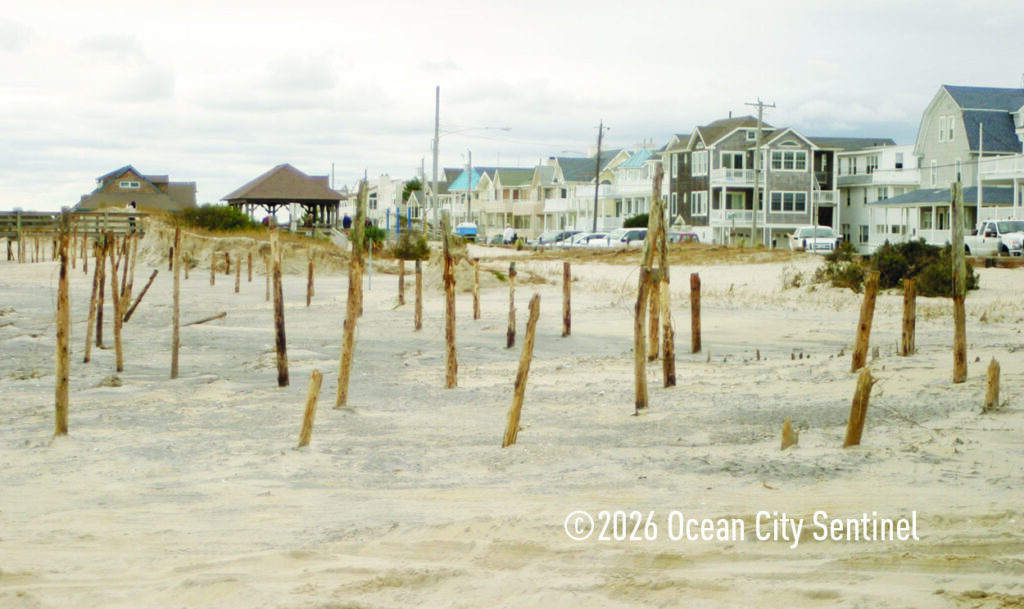
FEMA height regulations play a significant role in residents’ ability to purchase homeowners insurance. If a house does not meet FEMA’s height regulations, insurance premiums increase or insurers refuse to cover the home.
On top of dealing with the emotional turmoil of losing homes and prized possessions, New Jersey residents had to add raising their houses to their list of concerns.
Many were worried that if they couldn’t afford to meet the requirements, they’d either have to function with sky-high insurance premiums or be displaced from their homes.
Donato’s efforts helped residents identify grants and other funding opportunities to make the rebuild and raising process more affordable.
Assemblyman Antwan McClellan, R-Cape May, Cumberland, Atlantic, dealt with Sandy’s aftermath as an Ocean City councilman and lifelong resident, and was intent on building on the lessons learned from the storm.
“Sandy put us in the realm to start paying attention and putting our homes in a better and safer way,” he said. “Sandy was a big learning experience, and we need to continue to adjust to that by making incremental changes to prepare and to look at what the storms are doing and if the tides continue to rise.”
Adhering to FEMA standards is one way McClellan felt that the city and other Cape May County towns would protect themselves from future storms.
He knew that Hurricane Sandy wouldn’t be the last storm to batter the region and felt it was important to never be caught off guard again.
“We keep saying that we’re preparing for a 100-year storm, and people take that as if it’s going to be in 100 years, but it’s the 1% chance of it occurring,” McClellan said. “That 1% could’ve been Sandy, or it can be tomorrow.”
McClellan and other state residents thought they were in the clear after raising their houses and adhering to FEMA’s regulations.
However, when Gov. Phil Murphy signed the Resilient Environments and Landscapes Rule on his last day in office, he shifted the flood zoning circumstances once again.
The REAL Rule was signed on Gov. Mikie Sherrill’s inauguration day, but she has put the regulations on hold for a year while her administration evaluates their ramifications.
Southern New Jersey officials have been in constant communication with the administration about how to pass beneficial legislation that considers each municipality individually while also creating efficient plans.
Resiliency projects
Department of Environmental Protection Commissioner Ed Potosnak is a bridge between local municipalities and the Sherrill Administration on anything environmentally related.
“There’s no doubt that every community is being impacted by flooding,” Potosnak said. “When you zoom in on the place, you have the different challenges like farmland versus residential.”
He supported Sherrill’s decision to delay the REAL rule for a year to give him and his team time to meet with local officials to determine what legislation would best benefit southern New Jersey.
After Murphy signed the legislation, Sherrill and Potosnak received responses from worried residents about keeping up with new standards.
The rule came with an updated flood map that grouped coastal and non-coastal counties into the same regulations. With the rule, residents in the extended flood zones would need to raise their properties 4 more feet above base flood elevation.
McClellan, speaking for Cape May County residents, explained how unrealistic that expectation is for homeowners. He said that after Sandy, many municipalities made effective changes that fit best for their location.
“Why not talk to these municipalities to see what they’ve done already and then you don’t have to paint with such a broad brush to say that everyone has to raise their houses,” McClellan said.
While Potosnak acknowledged that it’s difficult to prevent flooding, creating resiliency plans to ensure New Jersey infrastructure can withstand the increasingly intense weather is important.
Resiliency projects can include local zoning and construction ordinances or physical infrastructure improvements.
He’s worked with local communities to incorporate resiliency projects into local infrastructure.
“There are grant experts at the department who work with communities,” Potosnak said. “When money becomes available, if you don’t have a plan, you can’t engage in that project that has an economic benefit and also protects the community.”
Community-based planning through the Climate Ready New Jersey program has allowed many new projects to be created.
Municipal engineers prioritize infrastructure projects that ensure Cape May County can withstand flooding during wet seasons.
For example, Ocean City has recently completed three major neighborhood drainage projects that updated storm drainage systems and installed new pumping stations to increase the drainage rate.
Infrastructure-focused projects and legislation are tangible ways the county has committed itself to preparing residents.
Another successful infrastructure project was Ocean City’s 50-year agreement with the U.S. Army Corps of Engineers and state DEP for beach and dune renourishment every three years. A replenishment project was just completed this past summer.
“The good news is that the engineered dunes and beach systems did their job,” Potosnak said. “The sacrificial dunes got sacrificed, but there’s a grave need to get them built back up to be protective for the next storm.”
– By JULIA DIGERONIMO/For the Cape May Star and Wave