CAPE MAY — Delaware River and Bay Authority (DRBA) commissioners unanimously approved a revised fare schedule for the Cape May-Lewes Ferry on April 21.
The adjustments, which were developed following a virtual public meeting held Feb. 9, are designed to ensure the continued operational excellence of the bi-state crossing while expanding benefits for families and streamlining the reservation process, according to a news release.
The new fares will go into effect June 1.
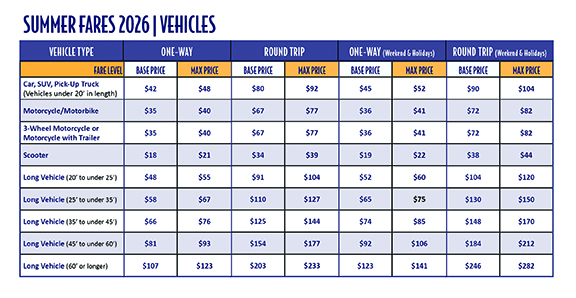
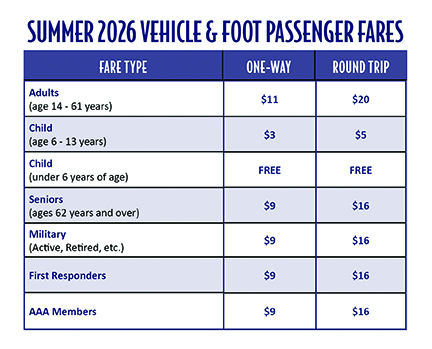
“Our focus is to both reduce our operating deficit with modest fare changes but keep fares as affordable as possible — even in times of escalating fuel and operating costs — by offering discounts that encourage multiple trips, family bookings and reserved travel,” said Heath Gehrke, director of Ferry Operations. “Because traveling for a vacation or visiting family are the two top reasons why people use the Cape May–Lewes Ferry, we know affordable family travel is important to our customers’ decision-making process.”
A central highlight of the new schedule is the expansion of family-friendly pricing, specifically for increasing the period during which children 6 to 13 travel for free. This “free-travel” window for children now extends from October through May, providing significant value for families traveling during the off-season and shoulder months.
The revised fare schedule also introduces a “staircase pricing” model for vehicle bookings. Under this new system, base fares remain consistent for early bookings, but prices will step up incrementally as vessel capacity reaches 50 percent, 75 percent and 90 percent thresholds.
Additionally, vehicle fares will see a seasonal increase ranging from $2 to $6 depending on time of year, and the DRBA has transitioned group and return-trip discounts to a fixed percentage of the base fare.
Other notable changes include a $2 increase to shuttle fares and a $2 adjustment to the non-refundable reservation cancellation fee and the “show-go” handling fee for non-reserved vehicle travel.
These modifications are projected to generate approximately $1.5 million in additional revenue annually to help offset the service’s operating deficit.